
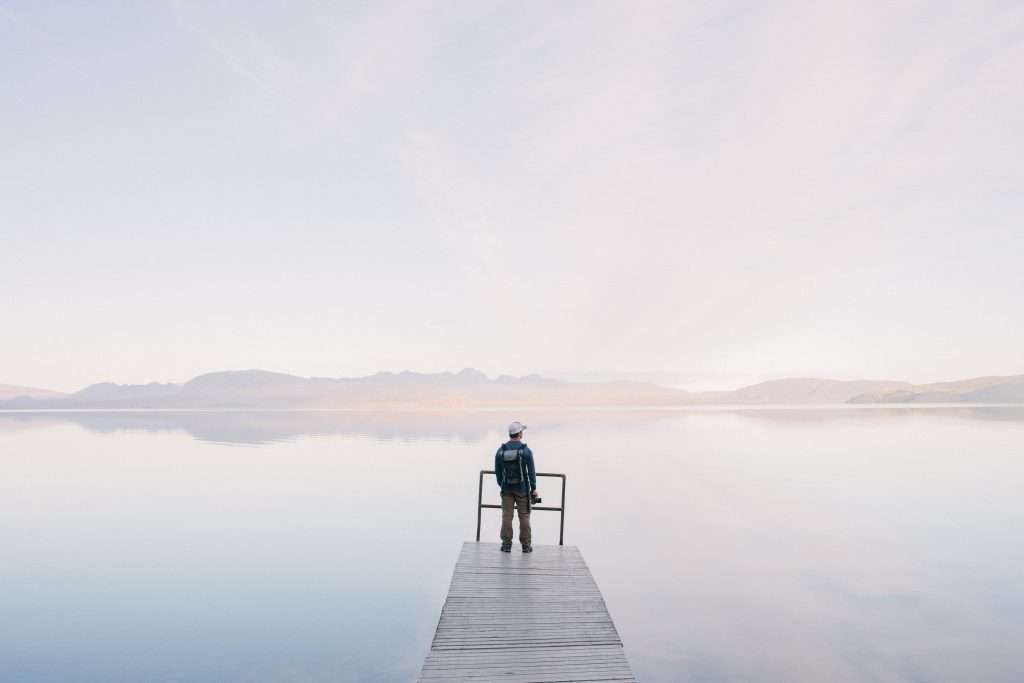
Anxiety disorders are a very serious health problem. They not only affect our emotional and mental side, but anxiety It manifests itself in many bodily ways as well: muscle tension, feeling of suffocation, tachycardia, nausea... in short, a display of psychosomatic symptoms.
However, Anxiety is not in itself a big monster to fight against. In fact, it is a basic (though not primary) emotion that absolutely everyone has experienced and will surely experience again. It is its frequency and intensity that will determine how much it affects our lives and what we should do about it.
For example, if we have something pending or are waiting for a specific result or news, it's natural to feel a little anxious. On the other hand, If this sensation is constant regardless of what we are experiencing and it also impairs our ability to enjoy life, then we must pay attention to our symptoms and the messages they want to convey to us.
If your anxiety is reaching a point where you feel overwhelmed, the best thing to do is seek professional help. But you don't have to wait for the anxiety to escalate, nor is going to a psychologist the only thing you can do... that's a step you can take. you yourself will know when to give. Physical activity, being in contact with nature, and expressing yourself in creative and artistic ways are activities that reduce anxiety. Another effective measure against anxiety is to reflect and become aware that what worries us so much in the moments when anxiety is triggered is not happening. and, many times, it won't happen.
Seneca's advice
The philosopher Seneca In his letter to Lucilius about unfounded fears he wrote:
There are many more things, Lucilius, that terrify us than crush us; we often suffer more in our imagination than in reality.
And he adds:
(…) what I simply advise you is that you do not be unhappy before your time like when those eventualities that you thought were imminent caused you panic: perhaps they will never arrive.
Seneca advised Lucilius, who may not have existed, but his words are actually advice for everyone. An invitation to question our own concerns, not to get ahead of ourselves and enjoy what we have instead of fearing what may or may not happen.